Lipid fingerprints
Each microbial species expresses a unique ‘fingerprint’ of lipids in its membrane. BACLIB identifies pathogens in a specimen by detecting species-specific lipid fingerprints in a mass spectrum of microbial lipids.
BACLIB · Early access
BACLIB reads each microbe’s membrane lipid fingerprint by MALDI mass spectrometry. No days of culture.
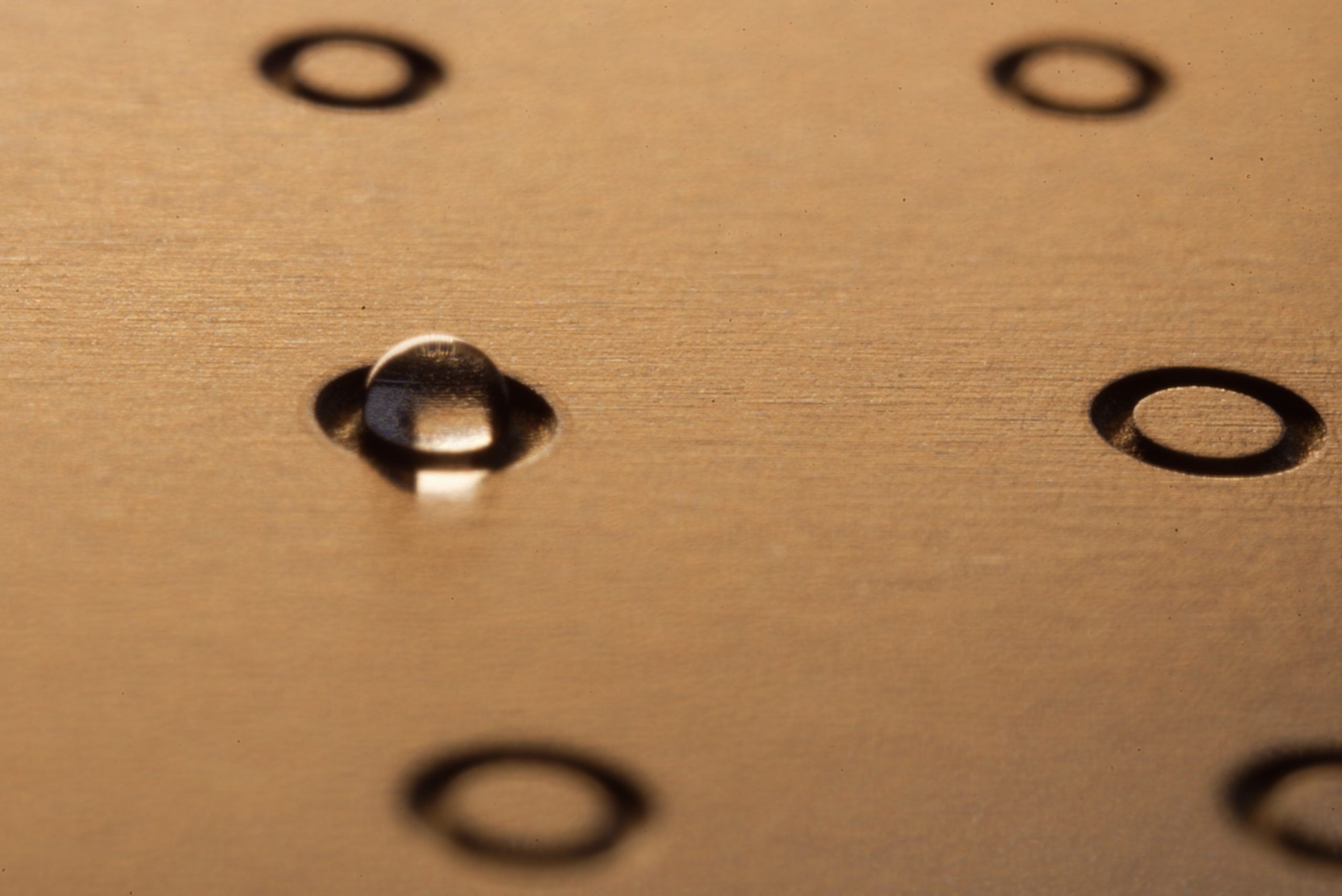
A 1 µL sample drop on a MALDI target plate developed by Pataigin for BACLIB
BACLIB is for research use only.
Each microbial species expresses a unique ‘fingerprint’ of lipids in its membrane. BACLIB identifies pathogens in a specimen by detecting species-specific lipid fingerprints in a mass spectrum of microbial lipids.
BACLIB extracts those lipids right on the MALDI target, with no culture, and reads the fingerprint by mass spectrometry. Minimal handling keeps sensitivity high and hands-on time low.
Some forms of antimicrobial resistance are detected as part of the initial one-hour ID test. A second step determines MICs within six hours of sample collection.
Some resistance shows up in the one-hour ID itself. A second step gives MICs within six hours.
+123 Da
the mcr-1 shift in lipid A that signals colistin resistance
Some resistance is written into the membrane itself. The mcr-1 plasmid adds a phosphoethanolamine to lipid A, which makes it harder for colistin to cross the membrane and adds 123 Da to the molecule. BACLIB reads that shift while it identifies the species.
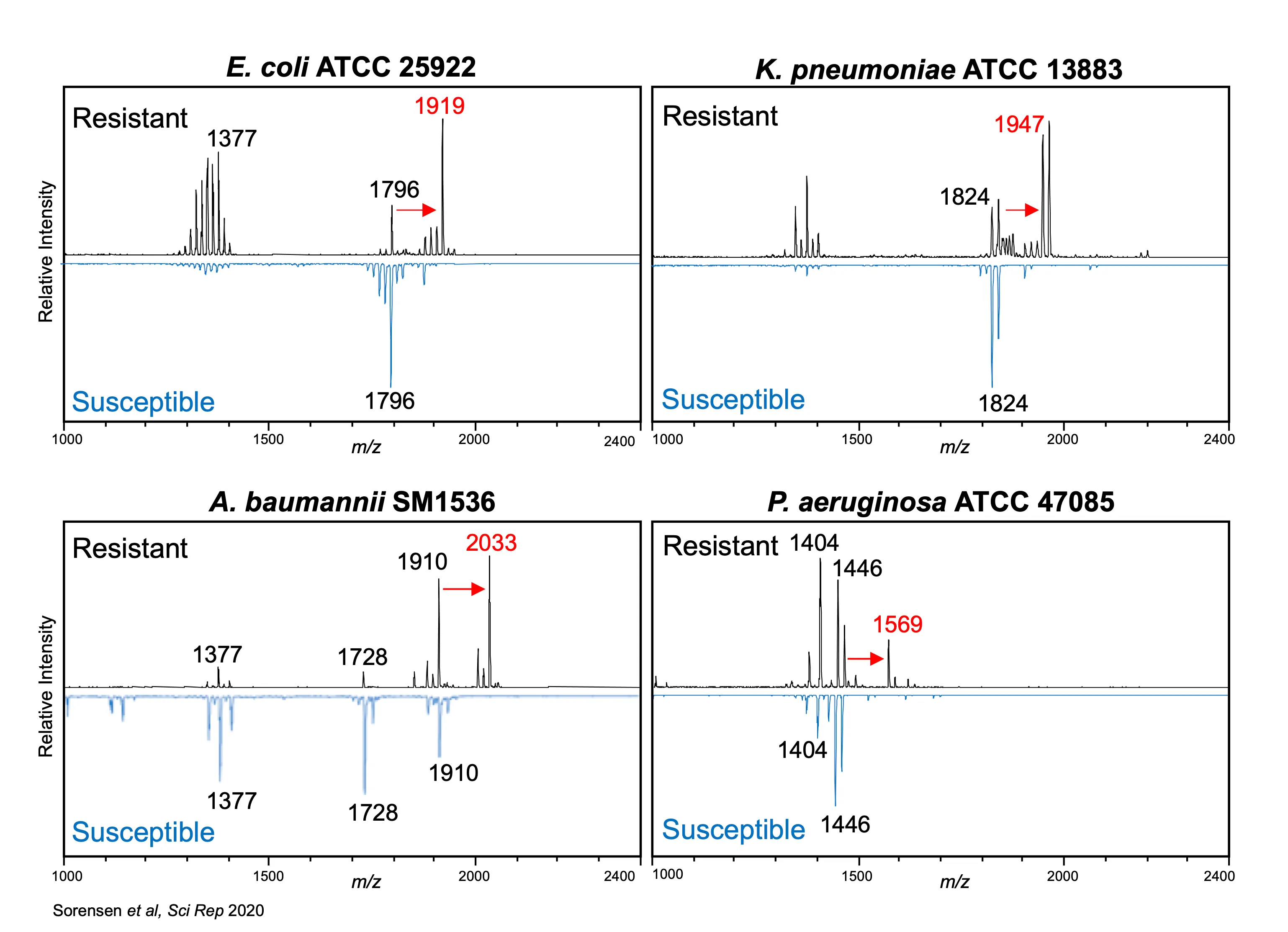
BACLIB Rapid AST grows samples of the specimen across a range of antibiotic concentrations in media with a small share of deuterium oxide (D2O). Cells that grow build heavier lipids; the lowest concentration with no shift is the MIC. Conventional AST takes up to three days.

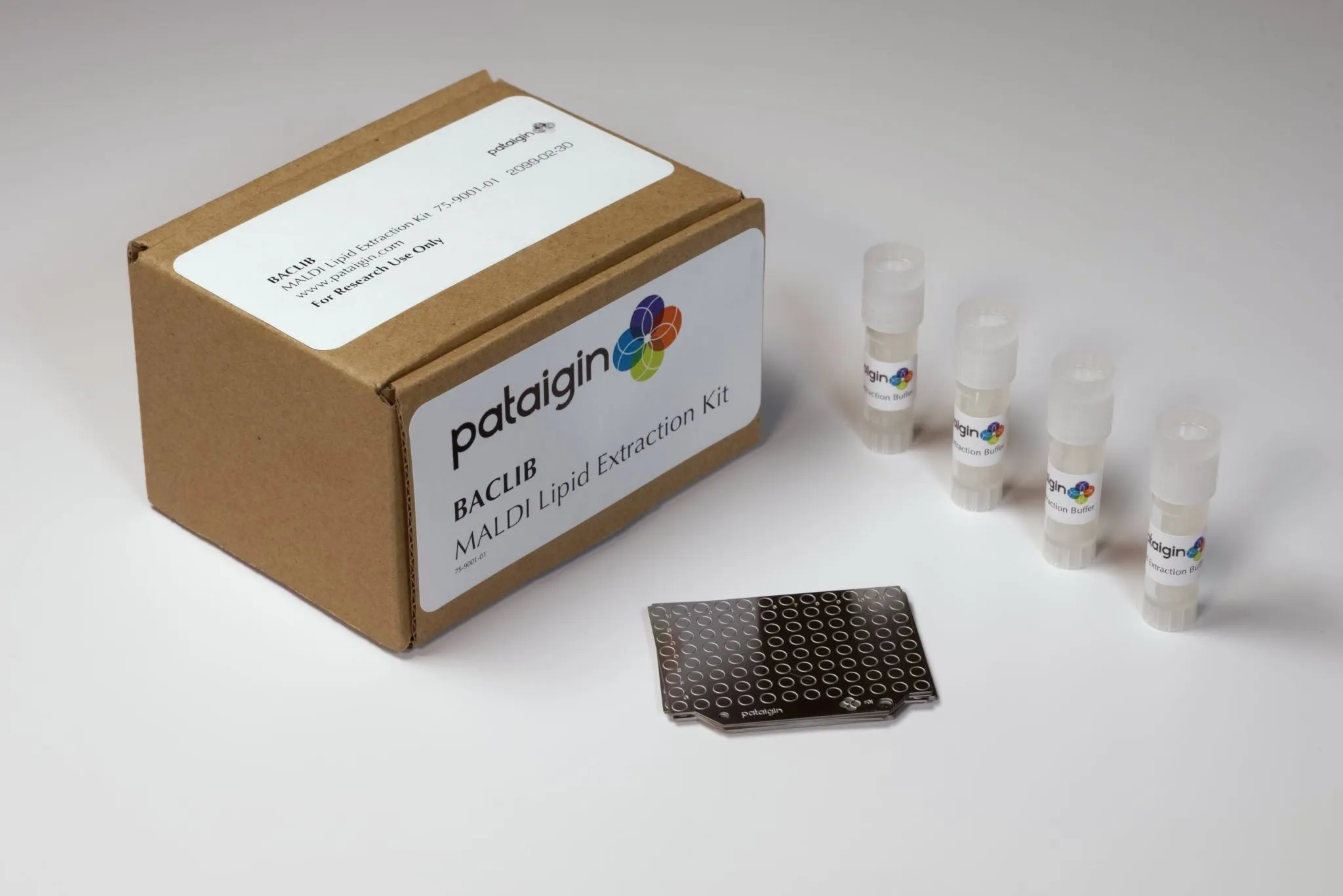
 BACLIB Kit
BACLIB is available today for research use only through the BACLIB Early Access program. The kit works with Bruker MALDI mass spectrometers and is offered in the US and Canada.
BACLIB is for research use only (RUO). Registering does not guarantee early access.